Every other day in the UK, a baby is born who may develop serious mitochondrial disease
Mitochondrial disease, or ‘mito’, is a rare, complex and difficult-to-diagnose genetic disorder that affects people in very different ways. It can affect any organ at any age, and often occurs in babies and young children. There is currently no cure, but we’re working hard to change that, and are the largest charitable funder of mitochondrial research in Europe.
Mitochondrial dysfunction has been identified as a key factor in other more common diseases including dementia, Parkinson's disease, epilepsy and cancer. The research we fund and support not only holds promise for individuals with mitochondrial disorders, but has the potential to benefit millions of others too.
That’s why, despite being a little-known disease, mitochondrial disease could be the key to some of the most important medical breakthroughs of our time.
What does it take to live with mitochondrial disease?
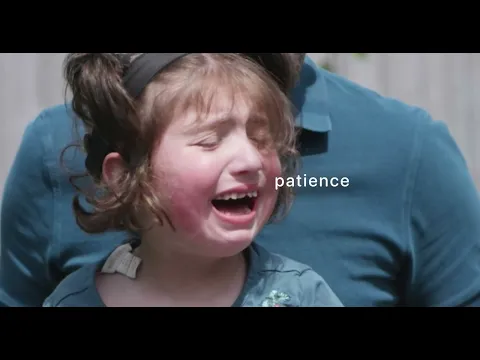
We want to show you just what it takes to live with mitochondrial disease.
Meet Harry, Mandy, Katie, Tom and Leia, all real people, living with mito every day. Leia and her family show incredible courage as they fight her incurable condition. Harry and his mum Mandy have hope and belief for the future. They all have what it takes – but they can’t do it alone.
With your support, The Lily Foundation can keep providing care for families like these, funding vital research and finding hope where it’s needed most. Do you have what it takes to help us fight mito? Donate today to make a difference.
It takes dedication. It takes insight. It takes countless hours of careful writing, reviewing and refining. And today, we’re incredibly proud to announce a very special resource we believe will make a real difference: The Lily Foundation Guide to Mitochondrial Disease – the first patient-focused resource of its kind in the UK.
Following the development of our 2025-2029 fundraising strategy, The Lily Foundation are seeking an experienced Head of Fundraising to lead its delivery and support our small but mighty fundraising team to unlock new opportunities and deliver sustainable growth.
Celebrity patron and long-time Lily Foundation supporter Josh Widdicombe began 2026 on a high with an incredible festive winning streak, securing over £21,000 for the mitochondrial disease community across two major TV game shows.